Medicure Will Be #1 Largest Gainer of 2027
Medicure (TSXV: MPH) or MCUJF on the U.S. OTC was originally founded in September 1997 as a biotechnology company focused primarily on developing treatments for cardiovascular diseases. In November 1999, the company went public on the Alberta Stock Exchange for the purpose of developing MC-1, a drug that Medicure currently has in Phase 3 trials, yet absolutely nobody knows the trials are even taking place. After we are done accumulating our initial positions if we all make just a small effort to inform biotech investors about the company on social media, it will rapidly rise to $15-$20 per share within weeks because no other biotech stock in Phase 3 clinical trials has a market cap this low, period. Medicure’s FDA approval odds are among the highest of any publicly traded biotech company with active Phase 3 clinical trials.
Dr. Phillip Pearl the lead investigator for Medicure’s MEND-PNPO Phase 3 trial evaluating MC-1 is the William G. Lennox Chair and Professor of Neurology at Harvard Medical School the world’s #1 ranked medical school. He is a world-renowned expert in pediatric neurology, clinical neurophysiology, and childhood epilepsy… and widely considered the world’s #1 top expert on rare inherited metabolic disorders that cause seizures and neurological issues in infants and children. He serves as the Director of Epilepsy and Clinical Neurophysiology at Boston Children’s Hospital, which is the primary pediatric teaching hospital affiliated with Harvard Medical School.
Medicure began developing MC-1 in 1997, based on pioneering cardiovascular research conducted by Dr. Naranjan Dhalla at the University of Manitoba, with the goal of protecting the heart from damage caused by heart attacks and cardiac surgery. In February 2000, Medicure was preparing for the launch of Phase 1 trials, and the stock hit a high of $84 per share with a market cap of CAD$212 million.
In April 2001, Medicure successfully completed Phase 1 clinical trials of MC-1, and by March 2002, the company had graduated to the Toronto Stock Exchange while simultaneously advancing MC-1 into Phase 2 clinical trials. In February 2004, after positive Phase 2 clinical results for MC-1, followed by FDA authorization for a much larger clinical trial and a major U.S. listing on the American Stock Exchange, Medicure was trading on the Toronto Stock Exchange for $42.75 per share with a market cap of CAD$188.44 million.
Medicure’s 2001-2003 Phase 2 trial involved 60 patients undergoing angioplasty. The larger 2004-2005 Phase 2 trial involved 902 heart bypass surgery patients and had successful results in December 2005. In November 2006, Medicure began enrolling 3,000 patients in its Phase 3 MEND-CABG II trial that evaluated whether the cardioprotective drug MC-1 could reduce major cardiovascular complications following bypass surgery. In July 2007, MPH was trading on the Toronto Stock Exchange for $22.65 per share with a market cap of CAD$176.22 million.
From September 1997 through May 2008, Medicure spent a total of CAD$88.6 million on MC-1 research & development and consistently diluted shareholders much like 99% of all other biotech companies. In 2008, Medicure’s Phase 3 trial failed to meet its primary efficacy endpoint, demonstrating no benefit of MC-1 over a placebo in reducing death or heart attacks after surgery.
Medicure stock crashed in 2008 after the Phase 3 trial for MC-1 was a complete and total disaster… but the company survived this setback because in 2006 they had made a smart investment by acquiring the rights to AGGRASTAT for US$19 million an FDA approved cardiovascular drug originally developed by Merck.
Medicure continues to sell AGGRASTAT today, but its patent expired in May 2023. In 2025, Medicure generated CAD$5.7 million in revenue from AGGRASTAT. When AGGRASTAT revenue began to decline in 2019, MPH acquired the rights to ZYPITAMAG for US$7 million a patented drug that has seen rapid growth in recent years. In 2025, Medicure generated CAD$6.5 million in revenue from ZYPITAMAG.
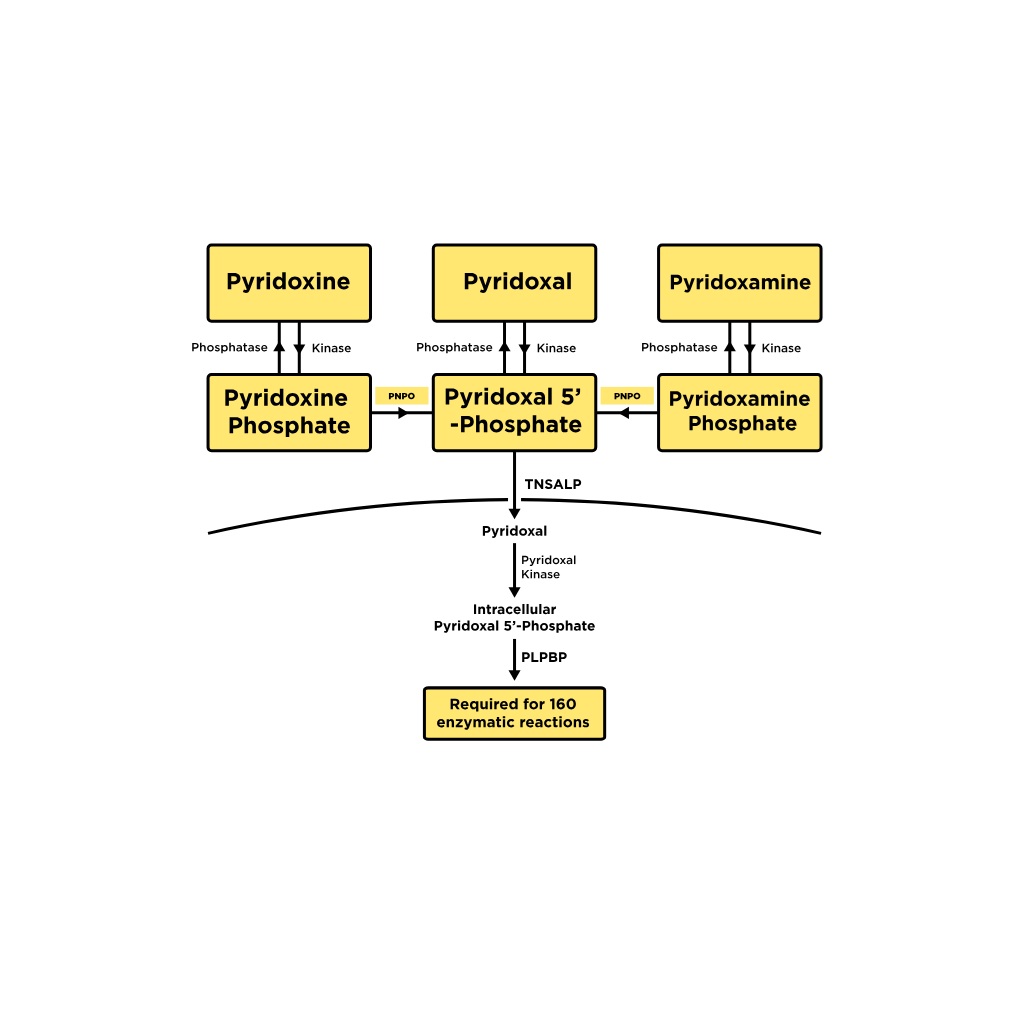
The current Phase 3 trial for MC-1 is for PNPO deficiency a rare disease and is fully enrolled with only 10 patients. This is not a speculative unproven 3,000 patient Phase 3 trial like two decades ago. MC-1 is pyridoxal-5′-phosphate (PLP) the active form of vitamin B6 and is already proven to stop seizures in babies. The trial is going smoothly and multiple patients have already completed the trial. The final results will be released in September 2027 with FDA approval likely to occur in the following months, which will result in Medicure receiving a Priority Review Voucher that it will resell for US$200 million in cash. Therefore, over the next ten months, Medicure shares are likely to be revalued from a market cap of US$27.71 million today to a new all-time high market cap of US$200 million plus.
We should be charging people thousands of dollars to even be informing them about Medicure. We had no intention of telling anybody about the company and originally planned to buy up all of the shares for ourselves.
Past performance is not an indicator of future returns. NIA is not an investment advisor and does not provide investment advice. Always do your own research and make your own investment decisions. NIA’s President has purchased 87,000 shares of MPH and intends to buy more shares. This message is meant for informational and educational purposes only.