How AI at Sea Can Neutralize Iran’s Maritime Threats
Today’s Escalation: Israel Strikes Iran → Iranian Missile Retaliation
Israel’s Preemptive Strike: On June 13, 2025, the IDF and Mossad reportedly carried out coordinated airstrikes against more than 100 Iranian nuclear and military sites, including Natanz, Fordow, and Isfahan, in an effort to halt Iran’s nuclear breakout potential.
Iran’s Massive Retaliation: Hours later, Iran reportedly launched more than 150 ballistic missiles and over 100 drones toward Israeli population centers including Tel Aviv and Jerusalem, triggering nationwide sirens and activating Arrow 3 and Iron Dome defenses.
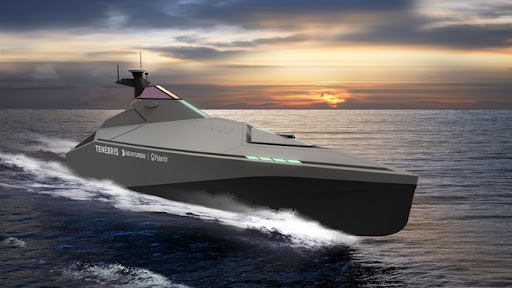
With the Strait of Hormuz and Red Sea chokepoints positioned near the center of this geopolitical conflict, maritime traffic and naval assets could become increasingly vulnerable, underscoring the growing importance of autonomous vessels to supplement crewed warships in surveillance, early warning, and defensive operations.
Why Autonomous Surface Vessels Matter
Iran-backed Houthi forces have already deployed explosive-laden unmanned surface vessels (USVs) targeting commercial shipping in the Red Sea, marking a dangerous evolution in asymmetric naval warfare. These drone boats, reportedly supplied and guided by Iran’s IRGC, are designed to function as floating IEDs capable of ramming ships with devastating effect.
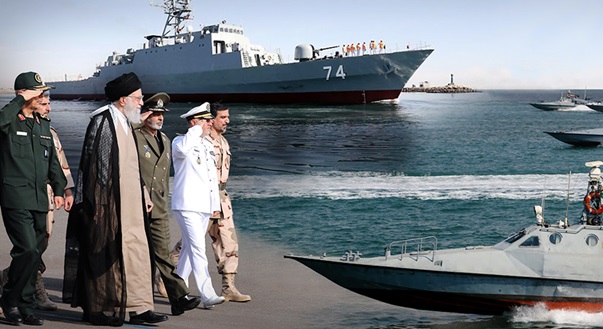
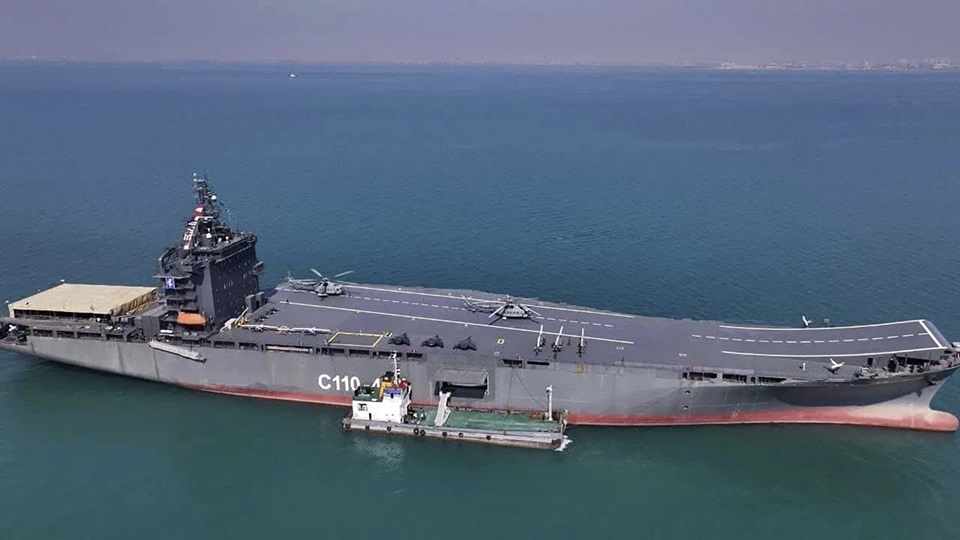
What makes this threat particularly insidious is how USVs, whether for attack or surveillance, can loiter at sea for weeks at a time while operating with a low radar signature and no crew onboard. They quietly patrol critical chokepoints like the Strait of Hormuz and Bab el-Mandeb, relaying live sensor data back to their command centers. This allows hostile actors to track vessel movements, plan strikes, and deny freedom of navigation without ever putting their own forces at risk.
To counter this threat, the U.S. and its allies like Israel are urgently developing fleets of autonomous vessels equipped with advanced AI, edge computing, and onboard decision-making capabilities. These smart USVs won’t just match Iran’s technology, they could potentially exceed it in intelligence, coordination, and mission flexibility.
Mine Countermeasures & Port Security
Autonomous “drone boats” equipped with advanced sonar can help remove mines faster and safer than traditional manned minehunters, which could prove critical to keeping the Strait of Hormuz open.
Swarm Tactics for Area Denial
Networks of small ASVs can complicate Iranian surface and sub-surface operations, creating a layered defensive screen without requiring a major increase in human crews.
Palantir (PLTR): The Brain for Fleet Autonomy
Data Fusion & Decision-Making
Palantir’s Foundry and Warp Speed platforms can integrate manufacturing-to-mission workflows, accelerating the design, testing, and deployment of USVs at scale.
Operational Planning & Real-Time AI
In a live crisis, Palantir can fuse satellite, ISR, and USV sensor streams to provide commanders with a unified maritime battlespace picture, enabling dynamic tasking of vessels for patrol, interdiction, or decoy missions.
Supply-Chain Resilience
With Warp Speed, defense contractors and shipyards can rapidly ramp production of ASVs, helping ensure continuous replacement and modernization of autonomous fleets.
One Stop Systems (OSS): The Muscle at the Edge
Rugged AI Compute for Autonomous Navigation
OSS’s enterprise-class, marine-hardened AI servers can power onboard inferencing for object detection, path planning, and collision avoidance, even in salt spray and 40°C heat.
Sensor Fusion & High-Bandwidth Connectivity
Their PCIe expansion and FPGA modules allow ASVs to process multi-sensor payloads including radar, sonar, and EO/IR systems locally, thereby reducing latency and minimizing bandwidth requirements when communicating with shore.
Proven Defense Deployments
OSS recently inked a CRADA with U.S. Special Operations Command to field high-performance edge computers for austere maritime environments, potentially paving the way for similar U.S. Navy programs.
By combining Palantir’s software intelligence for rapid decision-making with OSS’s rugged edge hardware for real-time autonomy, allied naval forces can potentially deploy resilient USV squadrons capable of helping deter Iranian surface and asymmetric threats, while simultaneously preserving freedom of navigation and protecting both military and commercial interests throughout the Persian Gulf and surrounding maritime corridors.
Past performance is not an indicator of future returns. NIA is not an investment advisor and does not provide investment advice. Always do your own research and make your own investment decisions. This message is meant for informational and educational purposes only and does not provide investment advice.