Exclusive NIA Report on Publicly Traded Football (Soccer) Clubs
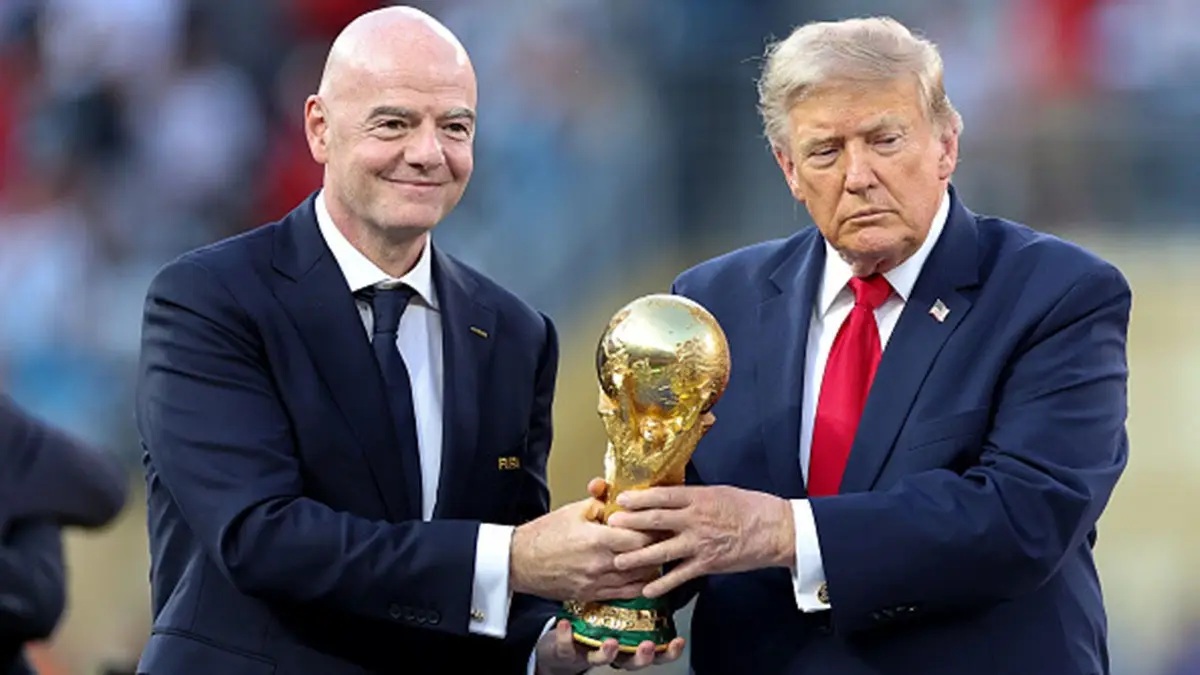
The World's Publicly Traded Football Clubs
A ranking of every publicly traded professional football (soccer) club worldwide by enterprise value, with NIA's analysis of valuation, dilution, governance, and takeover potential.
|
Key Takeaways
|
| # | Club | Ticker | Enterprise Value | EV / Revenue |
|---|---|---|---|---|
| 1 | Manchester United | NYSE: MANU | $4.83B | 5.333x |
| 2 | Juventus | BIT: JUVE | $1.30B | 2.314x |
| 3 | Fenerbahçe | BIST: FENER | $538.09M | 2.260x |
| 4 | Sporting CP | ELI: SCP | $454.92M | 2.589x |
| 5 | Borussia Dortmund | ETR: BVB | $419.63M | 0.646x |
| 6 | FC Porto | ELI: FCP | $409.59M | 2.273x |
| 7 | S.L. Benfica | ELI: SLBEN | $403.52M | 1.482x |
| 8 | Galatasaray | BIST: GSRAY | $354.86M | 0.981x |
| 9 | Beşiktaş | BIST: BJKAS | $287.47M | 2.476x |
| 10 | S.S. Lazio | BIT: SSL | $248.56M | 2.128x |
| 11 | AFC Ajax | AMS: AJAX | $245.36M | 1.069x |
| 12 | Celtic | LSE: CCP | $213.03M | 1.322x |
| 13 | Trabzonspor | BIST: TSPOR | $152.46M | 2.466x |
2025 Kit & Merchandise Revenue — Global Top 20
Where the clubs covered in this report rank among the world's 20 best-selling clubs by kit and merchandise revenue. Source: Transfermarkt / UEFA Financial Landscape Report (2025).
| Global Rank | Club | Merch Revenue (2025) |
|---|---|---|
| #4 | Manchester United | €172M |
| #8 | Galatasaray | €99M |
| #12 | Fenerbahçe | €72M |
| #14 | Borussia Dortmund | €63M |
| #15 | Juventus | €56M |
| #17 | Beşiktaş | €50M |
| #19 | AFC Ajax | €38M |
| #20 | Celtic | €36M |
Sporting CP, FC Porto, S.L. Benfica, S.S. Lazio, and Trabzonspor do not appear in the global Top 20 by kit and merchandise revenue.
1. Manchester United (NYSE: MANU)
Manchester United is the world's largest publicly traded football (soccer) club by enterprise value at US$4.83 billion, equal to 5.333x trailing twelve-month revenue of US$905.75 million. MANU is the only publicly traded football club competing in the Premier League, widely regarded as the world's top football league, and is one of only two publicly traded clubs based in the United Kingdom, alongside Scottish club Celtic plc (LSE: CCP). MANU is tied with Liverpool as England's most successful football club with 20 top-flight league championships. Since the formation of the Premier League in 1992, MANU has won a record 13 league titles, compared to Manchester City's 8, Chelsea's 5, Arsenal's 4, and Liverpool's 2. MANU has never been relegated from the Premier League and has not been relegated from England's top flight since the end of the 1973–1974 season. However, the club has not won the Premier League since 2012–2013. MANU rebounded from a 15th-place finish in 2024–2025 to finish 3rd in the 2025–2026 Premier League season; the 2024–2025 campaign was the club's worst since the Premier League was formed and its poorest league finish since 1973–1974. By finishing 3rd, MANU automatically qualified for the 2026–2027 UEFA Champions League, which is expected to significantly increase the club's revenue over the next twelve months. Based on merchandise sales as a measure of global popularity, MANU is the largest Premier League and United Kingdom football club; only Barcelona, Real Madrid, and Bayern Munich generate greater global merchandise sales, making MANU one of the world's four largest football clubs by this metric, with €172 million in 2025 kit and merchandise revenue. Barcelona is widely considered the world's largest football club by global popularity, and the recent World Cup final illustrated why — Spain captured the World Cup with eight of its 26 players coming from Barcelona. Investors recently sold a partial 25% stake in MANU to Sir Jim Ratcliffe through a tender offer at $33 per share, a large premium; because it was capped at 25%, investors could only sell a fraction of their shares at that high price. The odds are high that the Glazer family will look to sell the entire club at a massive premium within the next twelve months.
2. Juventus Football Club (BIT: JUVE)
Juventus Football Club is the world's second largest publicly traded football club by enterprise value at US$1.30 billion, equal to 2.314x trailing twelve-month revenue of US$561.75 million. JUVE is one of only two publicly traded clubs competing in Serie A (Italy's top-flight league), alongside S.S. Lazio (BIT: SSL). JUVE is Italy's most successful football club in history with a record 36 Serie A championships, nearly double second-place Inter Milan's 21 titles. JUVE has never been relegated from Serie A on sporting merit, although the club was relegated following the 2006 Calciopoli match-fixing scandal before earning promotion back one season later. Following nine consecutive Serie A championships from 2011–2012 through 2019–2020, JUVE went through its most challenging period in over a decade, including a 10-point league deduction during 2022–2023 related to financial reporting violations. JUVE finished 6th in Serie A during 2025–2026, failing to qualify for the 2026–2027 UEFA Champions League, which means its revenue is likely to decline over the next twelve months. Based on merchandise sales, JUVE is one of Italy's largest football clubs, generating €56 million in 2025 kit and merchandise revenue to rank #15 globally. However, Juventus has experienced substantial shareholder dilution in recent years due to eight straight years of net losses: for fiscal years 2018 through 2025, JUVE reported total cumulative net losses of −$1.105 billion. JUVE shares outstanding have increased by approximately 313.85% since early 2020 as it was forced to raise significant capital to cover these losses. JUVE has total debt of US$399.22 million and net debt of US$358.35 million. JUVE is 65% owned by the Agnelli family through Exor N.V., which has owned the club for 103 years — the longest-running uninterrupted sports ownership in the world. Exor is also the largest shareholder of Ferrari, owning 22.9% of its economic rights and 36% of voting rights. Although JUVE is one of the few publicly traded clubs where owners have the right to sell at a massive premium, Exor recently turned down a takeover offer from its second largest shareholder, Tether. In NIA's opinion, Tether bidding for Juventus is a vastly smarter way to try to look legitimate than FTX buying the Miami Heat arena naming rights — SBF threw $135M at a temporary marketing sticker on a building he didn't own, while Tether tried to buy a century-old, culturally vital European institution.
3. Fenerbahçe SK (BIST: FENER)
Fenerbahçe SK is the world's third largest publicly traded football club by enterprise value at US$538.09 million, equal to 2.260x trailing twelve-month revenue of US$238.06 million. Fenerbahçe is one of Turkey's "Big Three" clubs alongside Galatasaray and Beşiktaş, and has never been relegated from the Süper Lig, Turkey's top-flight league. The club has won 28 Turkish league championships (including pre-Süper Lig national titles) and is one of Turkey's most successful and widely supported clubs. Fenerbahçe finished 2nd in the 2025–2026 Süper Lig and will have a chance to qualify for the 2026–2027 UEFA Champions League starting from the second qualifying round. Based on merchandise sales, Fenerbahçe is Turkey's second largest football club, with €72 million in 2025 kit and merchandise revenue (#12 globally), ranking behind only Galatasaray domestically. Fenerbahçe has experienced extraordinary shareholder dilution, with shares outstanding increasing by approximately 22,000% over the past decade, including a 6,214.4% increase during the last 18 months alone.
4. Sporting CP (ELI: SCP)
Sporting CP is the world's fourth largest publicly traded football club by enterprise value at US$454.92 million, equal to 2.589x trailing twelve-month revenue of US$175.73 million. Sporting is one of Portugal's "Big Three" clubs alongside Benfica and FC Porto and is one of only three clubs never to have been relegated from the Primeira Liga, Portugal's top-flight league. Sporting has won 21 Primeira Liga championships, including back-to-back titles in 2023–2024 and 2024–2025, before finishing 2nd in 2025–2026 to qualify for the 2026–2027 UEFA Champions League. Sporting is renowned for operating one of the world's most successful youth academies, producing global superstars including Cristiano Ronaldo, Luís Figo, and numerous other elite players. One of the primary reasons that Sporting trades at a relatively modest EV/Revenue multiple is its governance structure. Like Borussia Dortmund's 50+1 framework, Sporting operates through a Sociedade Anónima Desportiva (SAD), under which the parent club and its sócios (club members) retain effective control. As a public shareholder, ownership provides very limited influence over club governance, and the likelihood of an outside investor acquiring control through a takeover at a substantial premium is extremely low. Sporting also has a highly leveraged balance sheet with US$395.40 million in total debt and US$233.34 million in net debt. Sporting has experienced substantial shareholder dilution over the past decade. Its shares outstanding have increased by approximately 417.92% over the last 11 years, including a 201.48% increase since February 2023. In 2023, Sporting sold 83.57 million new Class A shares at €1.00 per share, raising €83.57 million to pay off short-term debt and strengthen its balance sheet. In late 2025, Sporting raised €225 million through the issuance of long-term bonds in a deal organized by J.P. Morgan for the modernization and expansion of Estádio José Alvalade, upgrading the stadium into a next-generation football and entertainment hub ahead of the 2030 FIFA World Cup.
5. Borussia Dortmund (ETR: BVB)
Borussia Dortmund is the world's fifth largest publicly traded football club by enterprise value at US$419.63 million, equal to just 0.646x trailing twelve-month revenue of US$649.76 million. BVB is the only publicly traded club competing in the Bundesliga, Germany's top-flight league. Borussia Dortmund is Germany's second most successful club behind Bayern Munich with eight Bundesliga championships, including consecutive titles in 2010–2011 and 2011–2012, and won the 1996–1997 UEFA Champions League. BVB finished 2nd in the 2025–2026 Bundesliga and automatically qualified for the 2026–2027 UEFA Champions League for the 12th consecutive season. Based on merchandise sales, Borussia Dortmund is Germany's second largest football club, generating €63 million in 2025 kit and merchandise revenue (#14 globally), and consistently ranks among the world's twenty largest by this metric. BVB's rock-bottom EV/Revenue multiple reflects a permanent structural discount unique to German football: because the country's 50+1 rule enforces that the parent club retains at least 51% of voting rights, BVB is effectively un-buyable for outside investors. This dynamic creates a severe disconnect between the club's public equity value and private asset worth, as institutional buyers cannot acquire operational control or capture a traditional takeover premium. Shares outstanding have increased by 79.75% over the last 12 years, including a 20% increase in 2021 to offset COVID-19 pandemic losses. BVB has total debt of US$48.90 million and net debt of US$38.21 million, low relative to revenue.
6. FC Porto (ELI: FCP)
FC Porto is the world's sixth largest publicly traded football club by enterprise value at US$409.59 million, equal to 2.273x trailing twelve-month revenue of US$180.18 million. FC Porto is one of Portugal's "Big Three" clubs alongside Benfica and Sporting CP and has won 31 Primeira Liga championships. The club has also captured two UEFA Champions League titles (1986–1987 and 2003–2004), the latter under manager José Mourinho. FC Porto has qualified for the UEFA Champions League more than almost any club in Europe over the past three decades, including the 2026–2027 UEFA Champions League, which will result in its revenue increasing significantly over the next twelve months. Unlike several other publicly traded clubs, FC Porto has experienced virtually no shareholder dilution in recent years. However, the club continues to trade at a low valuation multiple largely because of its highly leveraged balance sheet: FC Porto has approximately US$273.66 million of total debt, including US$243.12 million of net debt, which is one of the highest debt burdens relative to revenue and enterprise value among publicly traded clubs. To strengthen its financial position without issuing new shares, the club recently raised €100 million through a non-dilutive financing transaction in exchange for granting an investment partner a 30% share of the stadium's net profits over the next 25 years, with proceeds primarily used to reduce debt. Similar to Sporting, Porto operates through a Sociedade Anónima Desportiva (SAD), under which the parent club and its sócios (club members) retain effective control. As a public shareholder, ownership provides very limited influence over club governance, and the likelihood of an outside investor acquiring control through a takeover at a substantial premium is extremely low.
7. S.L. Benfica (ELI: SLBEN)
S.L. Benfica is the world's seventh largest publicly traded football club by enterprise value at US$403.52 million, equal to 1.482x trailing twelve-month revenue of US$272.30 million. Benfica is one of Portugal's "Big Three" clubs alongside Sporting CP and FC Porto and is Portugal's most successful club with a record 39 Primeira Liga championships and two European Cup titles (the predecessor to the UEFA Champions League). Benfica reaches the UEFA Champions League on a regular basis, although it failed to qualify for the 2026–2027 UEFA Champions League, which will result in its revenue declining dramatically over the next twelve months. Benfica has never been relegated from the Primeira Liga and consistently ranks among Europe's highest-attended clubs. Unlike several other publicly traded clubs, Benfica has not materially diluted shareholders in more than 15 years. Although the club carries approximately US$245.19 million of total debt, including US$234.30 million of net debt, its overall balance sheet remains strong, and management has steadily reduced debt over the past five years through operating profits rather than issuing new equity. The primary reason Benfica trades at a relatively modest EV/Revenue multiple is its governance structure rather than its financial position. Similar to Sporting and Porto, Benfica operates through a Sociedade Anónima Desportiva (SAD), under which the parent club and its sócios (club members) retain effective control. As a public shareholder, ownership provides very limited influence over club governance, and the likelihood of an outside investor acquiring control through a takeover at a substantial premium is extremely low. This was demonstrated in 2025 when U.S. investment firm Entrepreneur Equity Partners agreed to acquire a 16.38% stake in Benfica for approximately €45.2 million, but the club's board moved to block the transaction under its bylaws. Separately, Lenore Sports Partners, backed by Crescent Capital Group, was allowed to acquire a 5.24% stake in 2025.
8. Galatasaray SK (BIST: GSRAY)
Galatasaray SK is the world's eighth largest publicly traded football club by enterprise value at US$354.86 million, equal to 0.981x trailing twelve-month revenue of US$361.75 million. Galatasaray is one of Turkey's "Big Three" clubs alongside Fenerbahçe and Beşiktaş and is Turkey's most successful club with a record 25 Süper Lig championships. The club became the first and only Turkish team to win a major UEFA competition by capturing the 1999–2000 UEFA Cup and UEFA Super Cup. Galatasaray won the 2025–2026 Süper Lig title, qualifying automatically for the 2026–2027 UEFA Champions League, which is expected to significantly increase revenue over the next twelve months. Based on merchandise sales, Galatasaray is Turkey's largest football club — its €99 million in 2025 kit and merchandise revenue ranks #8 globally, the highest of any Turkish club and ahead of both Fenerbahçe and Beşiktaş. Investors should also recognize that Galatasaray has experienced extraordinary shareholder dilution: shares outstanding have increased by approximately 62,270% over the past decade, including an approximately 2,400% increase during the last 30 months alone. This unprecedented issuance of new shares has substantially reduced the ownership percentage represented by each share and helps explain why Galatasaray trades at one of the lowest EV/Revenue multiples among the world's largest publicly traded clubs, despite its exceptional brand strength, record domestic success, and growing financial performance.
9. Beşiktaş JK (BIST: BJKAS)
Beşiktaş JK is the world's ninth largest publicly traded football club by enterprise value at US$287.47 million, equal to 2.476x trailing twelve-month revenue of US$116.11 million. Beşiktaş is one of Turkey's "Big Three" clubs alongside Galatasaray and Fenerbahçe and has never been relegated from the Süper Lig, Turkey's top league. The club has won 16 Turkish league championships and is one of the country's most successful and widely supported clubs. Beşiktaş finished 3rd in the 2025–2026 Süper Lig, qualifying for the 2026–2027 UEFA Europa League and providing additional European competition revenue over the next twelve months. Based on merchandise sales, Beşiktaş is one of Turkey's largest football clubs, with €50 million in 2025 kit and merchandise revenue (#17 globally). Investors should also recognize that Beşiktaş has experienced significant shareholder dilution in recent years: shares outstanding have increased by approximately 1,718.57% over the last two years alone. This extraordinary issuance of new shares has substantially reduced the ownership percentage represented by each share and helps explain why Beşiktaş trades at a relatively modest EV/Revenue multiple despite its strong brand, loyal supporter base, and long history of success.
10. S.S. Lazio (BIT: SSL)
S.S. Lazio is the world's tenth largest publicly traded football club by enterprise value at US$248.56 million, equal to 2.128x trailing twelve-month revenue of US$116.83 million. Lazio competes in Serie A (Italy's top-flight league) and has won two Serie A championships. Lazio finished 9th in Serie A during 2025–2026, failing to qualify for the 2026–2027 UEFA Champions League for the third straight season. Lazio has not materially diluted shareholders in more than 20 years. However, the club's low EV/Revenue multiple primarily reflects its weakening balance sheet: total debt has increased by approximately 240.88% over the past two years to US$134.75 million, while net debt has surged approximately 729.17% to US$130.76 million over the same period. Lazio also faces a significant structural financial disadvantage because it does not own its home stadium, the Stadio Olimpico; instead, the club pays to use the municipally owned venue, limiting its ability to generate high-margin stadium-related revenue. This lack of stadium ownership reduces long-term cash flow generation and contributes to the club's discounted valuation relative to many of Europe's leading clubs.
11. AFC Ajax (AMS: AJAX)
AFC Ajax is the world's eleventh largest publicly traded football club by enterprise value at US$245.36 million, equal to 1.069x trailing twelve-month revenue of US$229.54 million. Ajax competes in the Eredivisie, the Netherlands' top league, and is the country's most successful club with a record 37 Dutch league championships. The club has also won four European Cup/UEFA Champions League titles and is internationally renowned for operating one of the world's greatest youth academies, producing legendary players including Johan Cruyff, Marco van Basten, Dennis Bergkamp, and numerous other global superstars. Ajax finished 5th in the 2025–2026 Eredivisie, failing to qualify for the 2026–2027 UEFA Champions League, which means its revenue is likely to decline over the next twelve months. Based on merchandise sales, Ajax is the largest football club in the Netherlands, with €38 million in 2025 kit and merchandise revenue (#19 globally) — the only Dutch club in the world's top 20. Compared to most publicly traded clubs, Ajax has been managed conservatively from a capital allocation perspective, having never materially diluted shareholders throughout its history as a public company. The balance sheet also remains relatively strong, with most reported debt consisting of long-term stadium lease obligations rather than traditional bank borrowings. However, Ajax has reported net losses in four of its last five fiscal years after previously generating profits in nine of the prior ten years. Like Lazio, Ajax faces a structural disadvantage because it does not own its home stadium, limiting its ability to capture high-margin stadium-related revenue. The primary reason Ajax trades at such a modest EV/Revenue multiple is its governance structure: similar to Germany's 50+1 rule, Ajax's ownership structure effectively prevents an outside investor from acquiring control through the public market. The club's founding association, Vereniging AFC Ajax, permanently owns approximately 73% of AFC Ajax N.V., while only about 27% of shares trade publicly. Because the association retains a controlling majority of voting rights, outside investors cannot acquire control or replace the board through a hostile takeover, significantly reducing the likelihood of a takeover premium for minority shareholders.
12. Celtic plc (LSE: CCP)
Celtic plc is the world's twelfth largest publicly traded football club by enterprise value at US$213.03 million, equal to 1.322x trailing twelve-month revenue of US$161.14 million. Celtic competes in the Scottish Premiership, Scotland's top league, and is one of only two publicly traded clubs based in the United Kingdom, alongside Manchester United. Celtic has never been relegated from the Scottish Premiership and is Scotland's most successful club with a record 56 Scottish league championships. Celtic was the first British club to win the European Cup (now the UEFA Champions League) in 1966–1967. Celtic won the 2025–2026 Scottish Premiership title, and in August will have a chance to qualify for the 2026–2027 UEFA Champions League in a two-legged play-off round where the winner reaches the main league phase; Celtic will learn its opponent on August 3rd. If it reaches the main league phase, Celtic's revenue will increase significantly over the next twelve months. Based on merchandise sales, Celtic is Scotland's largest football club and ranks #20 worldwide with €36 million in 2025 kit and merchandise revenue. Celtic's average attendance at Celtic Park of 55,481 fans also ranks #20 worldwide, and Celtic Park holds the #1 highest rating on Tripadvisor of all global football stadiums. Celtic is the only publicly traded club that is run like an actual business that prioritizes its shareholders. Many other clubs are forced to overspend on player transfers to avoid relegation, and Celtic consistently capitalizes on this by achieving large player transfer profits. Celtic is one of the only publicly traded clubs likely to be acquired in the future at a large premium — there is no 50+1 rule or other governance structure that would prevent a billionaire or investment firm from acquiring the club. Celtic is also one of the only European clubs with a strong balance sheet and large positive net cash position. Celtic has seen almost no dilution since 2007 and is tightly held by a large shareholder base. In September 2025, Celtic officially opened its redeveloped Barrowfield Training Centre as a permanent, state-of-the-art home for the club's boys' and girls' academies as well as the women's first team. In NIA's opinion, Celtic deserves to trade at an EV/Revenue ratio closer to MANU's. (Disclosure: NIA's President owns 75,000 shares of CCP and intends to buy more — see full disclaimer below.)
13. Trabzonspor (BIST: TSPOR)
Trabzonspor is the world's thirteenth largest publicly traded football club by enterprise value at US$152.46 million, equal to 2.466x trailing twelve-month revenue of US$61.83 million. Trabzonspor competes in the Süper Lig, Turkey's top league, and has won seven Turkish league championships, including the 2021–2022 Süper Lig title, ending a 38-year championship drought. Trabzonspor finished 7th in the 2025–2026 Süper Lig, narrowly missing qualification for European competition. Trabzonspor is one of Turkey's most widely supported football clubs and the most successful outside of Istanbul's "Big Three." Investors should also recognize that Trabzonspor has experienced extraordinary shareholder dilution over the past decade: shares outstanding have increased by approximately 29,900% over the last 11 years, including a 200% increase during the last 18 months alone. This massive issuance of new shares has substantially reduced the ownership percentage represented by each share and helps explain why Trabzonspor trades at a relatively modest EV/Revenue multiple despite its strong regional following and status as Turkey's most successful club outside of Istanbul's "Big Three."
Past performance is not an indicator of future returns. NIA is not an investment advisor and does not provide investment advice. Always do your own research and make your own investment decisions. NIA’s President has purchased 75,000 shares of CCP and intends to buy more shares. This message is meant for informational and educational purposes only and does not provide investment advice.